
What Memphis Proves
Since 2012, Memphis Inner City Rugby has served 4,000 student-athletes with 96% reporting increased academic performance. The lesson is not about Memphis. It is about full-time leadership.
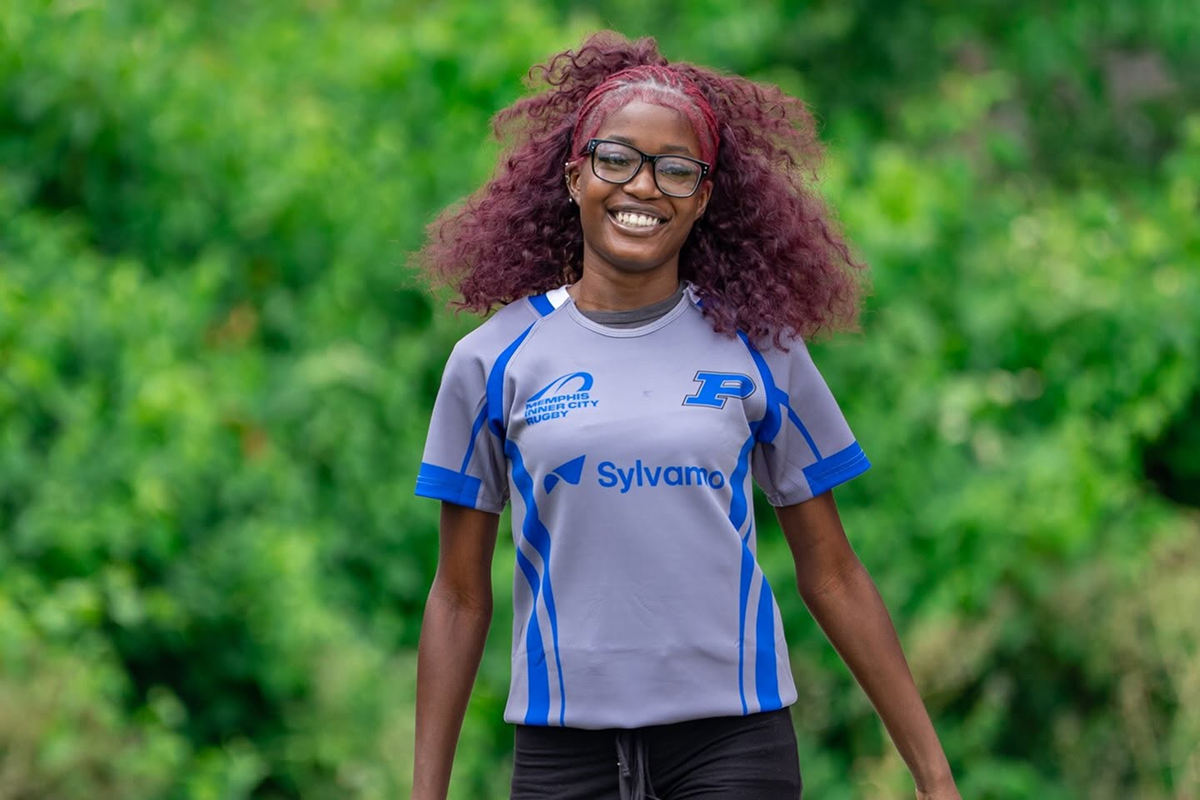
Since 2012, Memphis Inner City Rugby has served 4,000 student-athletes.
That is the number people repeat. It is the wrong one to lead with, because on its own it invites the wrong conclusion: that Memphis is a special case, a story about one city, one founder, and a set of local conditions nobody else can copy.
The opposite is true. Memphis is the clearest evidence available that this work is reproducible, and the specific thing it proves has almost nothing to do with Memphis.
The outcomes
Start with what the program has actually produced. Fourteen teams across the city. An athlete population that is 46% boys and 54% girls, ages 8 to 24. Ninety percent of participants are economically disadvantaged. Ninety-eight percent are students of color.
Now the results. Ninety-six percent of athletes report increased academic performance. Ninety-one percent of parents report that the program improves their child's mental health. Eighty-nine percent demonstrate measurable growth in social and emotional learning. One hundred percent of program graduates are accepted to a post-secondary pathway. One hundred have accessed college through rugby, and the program has leveraged $7 million in scholarships along the way.
Those are not rugby numbers. No governing body tracks social and emotional learning. Those are the numbers a serious youth development organization produces, and they are the numbers that let a rugby program raise money from funders who do not care about rugby at all.
What produced them
Here is where the story usually goes wrong. It gets told as a story about passion, or about a founder, or about the particular character of one city.
What produced those outcomes is infrastructure. Year-round programming rather than a season. Wrap-around support that follows an athlete through high school and past graduation. Case management for post-secondary pathways. Data collection rigorous enough that the 96% figure means something. Formal school partnerships. Coaching staff who are hired, managed, and paid. Governance, budgets, and a strategic plan.
Every one of those is an administrative function. Not one of them happens on a field, and not one of them happens in the two hours a week a volunteer has left over.
They exist in Memphis because somebody was paid, full time, over a decade, to build them.
That is the finding. Strip out the city, the personalities, and the local color, and what remains is a straightforward causal claim: sustained full-time professional leadership, applied to youth rugby in an underinvested community, produces measurable youth development outcomes at scale.
The same pattern, three times
If Memphis were alone, it would be an anecdote. It is not alone.
Dallas and Los Angeles both meet the Tier 1 standard, and both got there the same way. Different cities, different demographics, different rugby cultures, different founders. Same structural ingredient: full-time paid leadership with the runway to build institutions rather than run practices.
Three independent replications of the same result is not a special case. It is a model that nobody has yet tried to deploy on purpose.
Why this is the argument for a fellowship
The uncomfortable part of the Memphis story is the timeline. Fourteen years, from a standing start to the outcomes above.
Most of that time was not spent on rugby. It was spent learning how to incorporate a nonprofit, seat a board, write policies, cultivate donors, negotiate with school districts, hire staff, and build data systems, largely by trial and error, in isolation, without a template.
That is the waste Strive Rugby is designed to eliminate. The knowledge exists now. It lives inside Memphis, Dallas, and Los Angeles, and it can be taught.
A Strive fellow does not start from scratch and does not learn by accident. They spend eight weeks embedded inside a proven Tier 1 program, eight weeks in the city they will build in, and then three years executing a structured curriculum with continuous support from the people who have already done it. Eight site exchange visits a year keep them connected to programs that work.
The goal is not to make a fellow into the next Memphis founder through sheer force of will. It is to hand them fourteen years of hard-won operating knowledge on day one and let them spend their runway building rather than discovering.
The claim being made
Strive Rugby is not asking anyone to believe in an untested idea. The model has been proven three times over, in three different American cities, with outcomes documented across academics, mental health, social and emotional development, and college access.
What has never happened is a deliberate attempt to reproduce it. That is the entire proposition: take what Memphis proves, and stop leaving it to chance.
Choose how you help build sustainable youth rugby: give, partner, lead or join.
Donor
Fund the pilot. About $500K per market secures a three-year fellow investment, managed and deployed by the US Rugby Foundation.
Partner
Schools, facilities, community allies, and corporate or philanthropic partners who help build a program on the ground.

BACKED BY THE US RUGBY FOUNDATION
Strive Rugby is a Foundation program — financed and run on its systems, not a startup asking for trust it hasn't earned. Every local gift flows through a 501(c)(3) public charity operating since 1963, is restricted entirely to this market, and is tax-deductible to the fullest extent of the law. US Rugby Foundation holds, manages, and deploys the capital including structuring local match and co-investment. Learn more about the US Rugby Foundation at usrugbyfoundation.org.